
Key Takeaways
- An eye twitch is a small, involuntary movement of the eyelid muscle, usually in the upper lid.
- Tiredness, stress, caffeine, screen time, and dry eyes are commonly associated with twitching.
- Twitching in one eye only is common and usually harmless.
- More sleep, screen breaks, lubricating drops, and sunglasses can help settle things down.
- Book an eye exam if the twitching lasts longer than a week or your eyelid droops or closes fully.
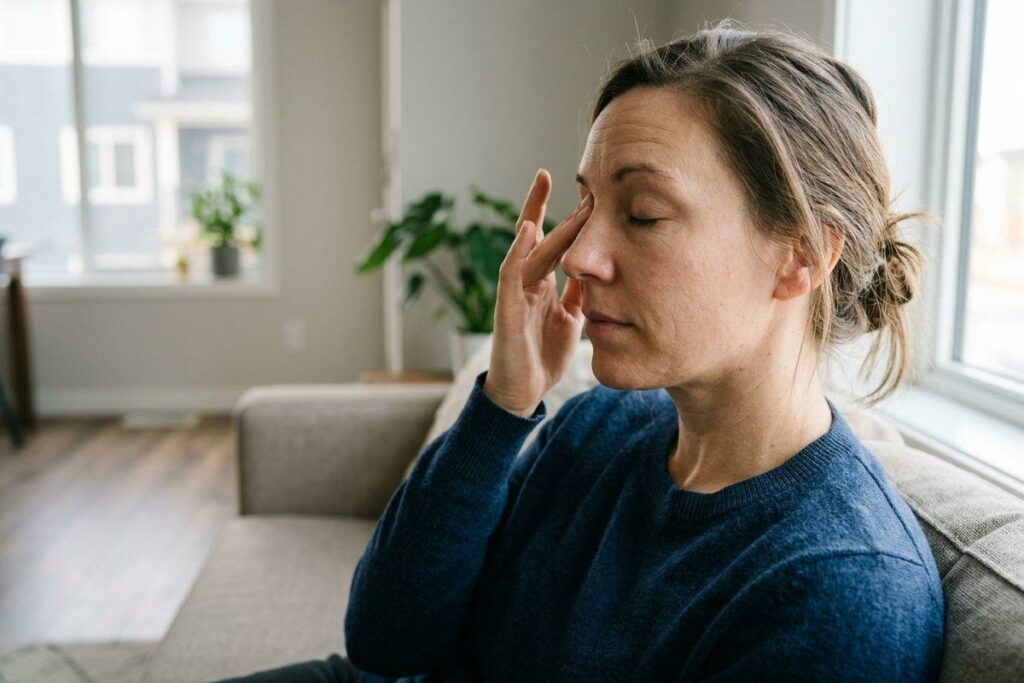
You’re mid-conversation, and your eyelid starts fluttering. You can feel it, and you’re sure everyone else can see it. Then it stops, and an hour later it starts again. Our team at Focus West Optometry hears about this often.
An eye twitch is a small, involuntary movement of the eyelid muscle, most often in the upper lid, and it usually comes and goes over a few days before settling on its own.
It can show up in one eye or both. Some people notice it only when they’re tired or staring at a screen, while others feel it off and on throughout the day. The movement is often more noticeable to you than to anyone around you.
Fun Fact: Cats and dogs may experience small muscle twitches around their eyes, especially while sleeping or dreaming.
Common Factors Behind a Twitchy Eyelid
Most twitches line up with something happening in your day. A short night of sleep, a stressful week at work, or a third cup of coffee can all show up in your eyelid.
Long stretches at a screen play a role too. When your eyes feel strained or dry by the afternoon, a twitch often tags along. Allergies, bright light, wind, and smoke can add to the irritation.
Why Only One Eye Twitches
One-sided twitching is common and usually harmless. It’s often tied to fatigue or irritation on that side, which is why it can show up in your left eye one week and your right eye the next.
Diet and Nutrition Links
Low magnesium, vitamin B12, or vitamin D have been linked to eyelid twitching. Alcohol and nicotine may also play a part.
If your meals have been rushed lately, that’s worth a look. Small, steady changes to what you eat and drink can make a difference in how your eyes feel by the end of the day.

How to Calm a Twitching Eyelid at Home
Simple adjustments help more often than you’d expect. Start with the basics and give them a few days.
- Get more sleep and cut back on caffeine, especially after lunch.
- Take regular breaks from your screen and use lubricating drops to help with dryness.
- Wear sunglasses outdoors and look for ways to lower your daily stress.
Many people find the twitching eases once they string together a few solid nights of rest.
Less Common Reasons Worth a Closer Look
Now and then, twitching goes beyond a flutter. Blepharospasm involves both eyes closing repeatedly, which can make reading or driving difficult. Hemifacial spasm is different, with the twitching spreading across one side of the face.
Rarely, twitching connects to nerve conditions that come with other symptoms alongside it.
Signs Beyond the Twitch
Keep an eye out for anything joining the twitching, including:
- A droopy eyelid
- Redness, swelling, or discharge
- Spasms in other parts of your face
- Changes in your vision
When to Book an Eye Exam
A twitch lasting longer than a week deserves attention, as does an eyelid closing fully or drooping. Those patterns are worth discussing rather than waiting out.
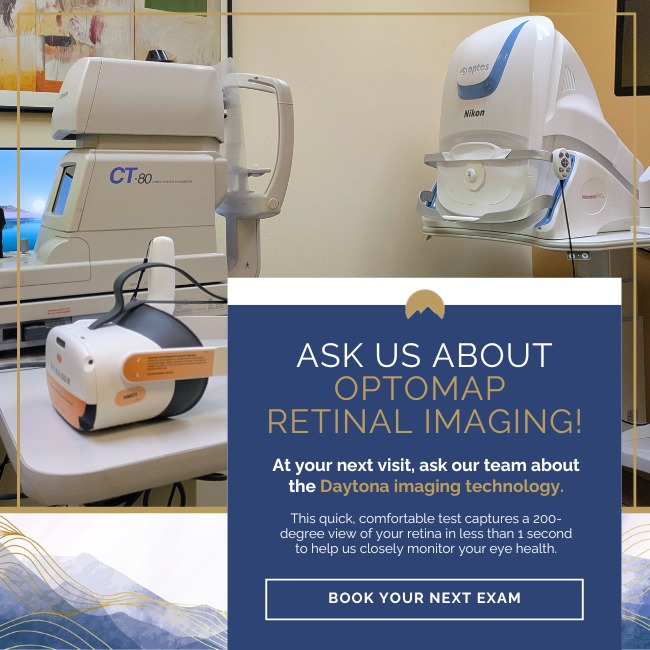
An eye doctor in Signal Hill can look at what’s happening on the surface of your eye and check whether dryness is part of the picture. Dry eye care and modern diagnostic technology give our team a clearer view of your eyelids, tear film, and overall eye health, so your appointment moves along efficiently, and you leave with a plan you can follow.
Focus West Optometry takes time to learn what your days look like, from screen hours to allergy seasons, because those details shape the care that fits you. Book your eye exam today and get answers about your twitching eye.