Screen-Based Strain
What does your technology do for you? Today, we can order dinner, buy concert tickets, chat with friends, play games, and even work, all from virtually any device with a screen. Smartphones, gaming consoles, computers, and tablets make our lives more convenient.
But, there are some drawbacks to increased screen time. It’s almost impossible to get away from our devices and as a result, many Canadians suffer from discomfort related to digital eye strain.
Digital eye strain is also known as computer vision syndrome. It refers to a group of ocular issues stemming from too much time spent using digital devices.
If you’re experiencing eye discomfort after staring at your screen, we can help. We’ll assess your screen habits and provide some strategies to mitigate your discomfort.
Book an appointment to find relief from digital eye strain today.
Book AppointmentSymptoms of Digital Eye Strain
There are a few common symptoms associated with digital eye strain, including:
- Dry eyes
- Headaches
- Eye strain
- Blurry vision
- Neck and shoulder pain
Often, symptoms will alleviate when you take a solid screen time break. But, discomfort will return once you’re in front of a digital device again. In order to find relief in the long term, you’ll need to implement some mitigation strategies.
It’s also important to visit your optometrist to ensure there is not a more serious, underlying condition.
Mitigation Strategies
Adjusting your work area, taking intentional screen breaks, and ensuring you have sufficient lighting while using your digital device are all strategies that help reduce digital eye strain.
Ergonomics
Office ergonomics and proper posture can help to keep you comfortable while using digital devices. While you’re at your desk, be sure to sit upright with your feet flat on the floor. Your shoulders should not be rounded or hunched and your neck should align with your torso.
Keep devices at eye level, and your keyboard and mouse near enough to prevent reaching.
Settings
If you’re reading on your digital device, increase the font size to minimize squinting. Contrast and colour tones should also be set to maximize your comfort.
Lighting Levels
The levels of light both in the room around you and on your device can prevent digital eye strain. Turn down your screen’s brightness to match the lighting levels of your surroundings. If the light from the room is reflecting in your screen, the glare can also contribute to eye strain.
Anti-glare screens are available for your device’s display, and glasses with an anti-reflective coating can help.
The 20-20-20 Rule
When you’re concentrating on your work, it might be challenging to take a break, but following the 20-20-20 rule can help to relax your eyes. Every 20 minutes, look at something 20 feet away for 20 seconds. This helps give your eyes refocus, reducing strain.
Kids & Digital Eye Strain
Adults use screens frequently, but they’re creeping into kids’ lives too. Studies show that the risk of children developing visual issues increases after 2–4 hours of screen time.
Increased device use also means kids are spending more time indoors. Lack of outdoor play can be a risk factor in the development of myopia.
The Canadian Association of Optometrists recommends that children avoid screen time 1 hour before bedtime and never bring a screen into their bedrooms. Breaks should be encouraged frequently when kids are using screens, particularly outdoor breaks for whole-body physical activity.
Children should have regular, comprehensive eye exams to ensure the health of their vision, regardless of their screen time.
Book their appointment today!
Book AppointmentCome Visit Us
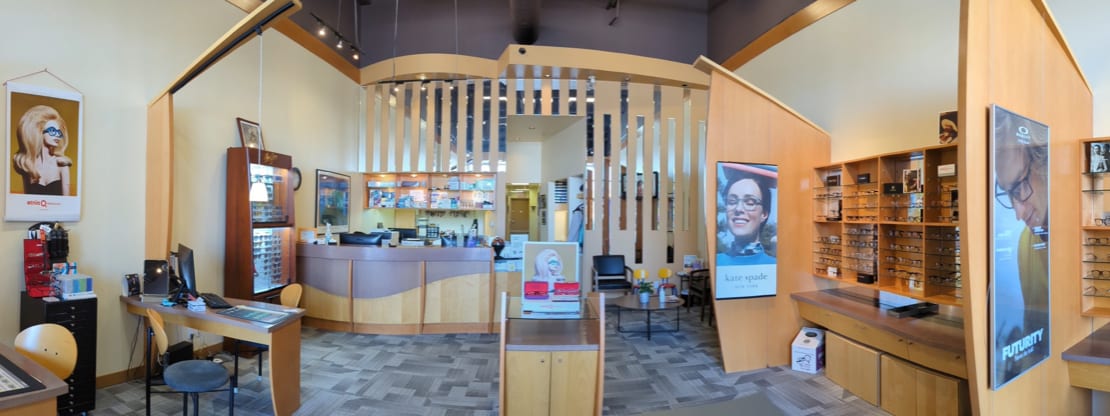
Our Address
- 268 Stewart Green SW
- Calgary, AB T3H 3C8
Contact Information
- Phone: 403-217-3322
- Email: [email protected]
Hours of Operation
Hours
- Monday: 9:00 AM – 5:00 PM
- Tuesday: 9:00 AM – 7:00 PM
- Wednesday: 9:00 AM – 7:00 PM
- Thursday: 9:00 AM – 7:00 PM
- Friday: 9:00 AM – 5:00 PM
- Saturday: 10:00 AM – 3:00 PM
- Sunday: Closed




Our Brands



Our Google Reviews
Our Blogs
What Are Ortho-K Lenses?
MyopiaOrthokeratology, or ortho-k, lenses are custom rigid contact lenses that you wear overnight and gently reshape the cornea while you sleep, so you can see clearly throughout the day without glasses or contacts. […]
What Is the First Sign of Cataracts?
Cataracts, Eye HealthThe first sign of cataracts is usually a slight blur in your vision, like looking through a foggy window, which starts small and builds slowly over months or years. […]
How Wildfire Smoke Affects Your Eyes?
Eye Conditions, Eye HealthWildfire smoke carries tiny particles through the air, and when those particles land on the surface of your eyes, they can bring on stinging, redness, watering, and a gritty feeling, even if the fire is hundreds of kilometres away. […]
What Are Ortho-K Lenses?
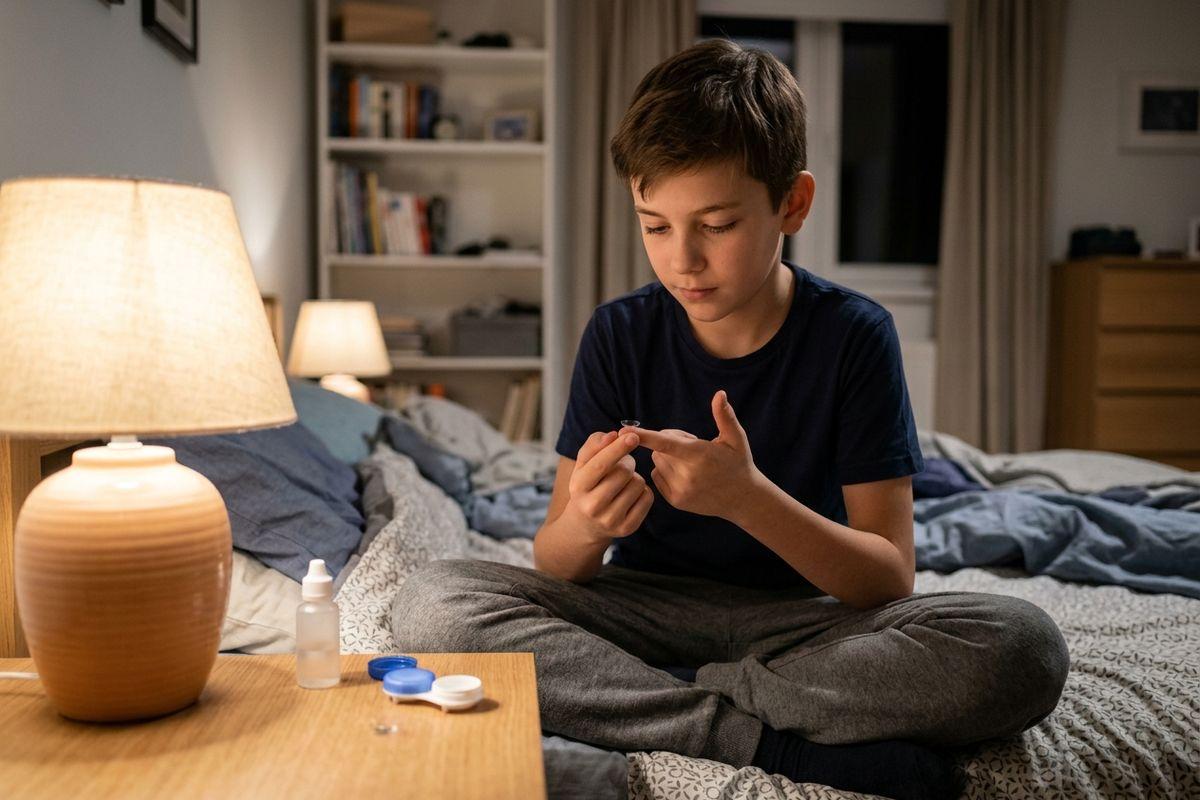
Orthokeratology, or ortho-k, lenses are custom rigid contact lenses that you wear overnight and gently reshape the cornea while you sleep, so you can see clearly throughout the day without glasses or contacts. […]
What Is the First Sign of Cataracts?

The first sign of cataracts is usually a slight blur in your vision, like looking through a foggy window, which starts small and builds slowly over months or years. […]
How Wildfire Smoke Affects Your Eyes?

Wildfire smoke carries tiny particles through the air, and when those particles land on the surface of your eyes, they can bring on stinging, redness, watering, and a gritty feeling, even if the fire is hundreds of kilometres away. […]




















-
Focus West Optometry
- 268 Stewart Green SW
- Calgary, AB T3H 3C8
-
P: 403-217-3322
[email protected]