

Key Takeaways
- Diabetic retinopathy happens when high blood sugar affects the tiny blood vessels in your retina.
- Reversal isn’t possible, especially after vision loss.
- Timely care can slow, control, or stop changes, and early care can improve vision in many cases.
- Steady blood sugar and regular eye exams work together to help protect your vision.
- Dilated eye exams help your eye doctor spot changes before you notice symptoms.
Living with diabetes means keeping track of glucose readings, meals, and medications. Your eyes belong on that list too. Our team at Focus West Optometry often hears one question from people with diabetes, and it’s whether eye changes from high blood sugar can be undone.
Diabetic retinopathy can’t be reversed, but timely care can slow, control, or stop it, and early treatment can improve vision in many cases. A diabetic eye exam gives your eye doctor the chance to catch changes early, often before they affect how you see.
Fun Fact: Sharks have a protective eyelid! Some species have a nictitating membrane that protects their eyes. Transition into the importance of protecting your eyes while wearing contact lenses.
What Is Diabetic Retinopathy?
Your retina sits at the back of your eye and sends the images you see to your brain. Every face, street sign, and page of a book reaches you through it.
Diabetic retinopathy develops when high blood sugar affects the tiny blood vessels in your retina. In the early stages, it often develops slowly and without noticeable signs. You might read your phone, drive to work, and recognise friends across the room with ease while changes are already underway.
Other Eye Conditions Linked to Diabetes
Diabetes can affect other parts of your eye too. Your eye doctor also watches for these related conditions:
- Diabetic macular edema can blur the central vision you use to read and see faces.
- You have a higher chance of developing glaucoma.
- You have a higher chance of developing cataracts.
Can Diabetic Retinopathy Be Reversed?
Reversal isn’t possible, especially once vision loss has happened.
However, timely care can slow, control, or stop changes in your retina. When your eye doctor catches the condition early, care can lead to improved vision in many cases. That could mean words on a page look clearer than they did before treatment.
Why Treatment Aims to Slow Changes
Treatment focuses on slowing or stopping the condition from getting worse. Diabetes is lifelong, so future changes in your eyes are still possible after successful care. Some people need added treatment over time. This is a normal part of managing the condition.
Treatment Options for Diabetic Retinopathy
Care for Early Stages
Mild cases may not need treatment right away. Instead, your eye doctor watches your eyes closely for changes at each visit.
Meanwhile, you can work with your diabetes care provider to keep your blood sugar steady. Small daily choices add up for your eyes.
Care for Later Stages
As the condition moves into later stages, your eye doctor may recommend one of these options:
- Eye injections or implants can help reduce swelling.
- Laser therapy can seal or shrink leaky blood vessels.
- Surgery can remove blood or scar tissue.
What to Expect After Treatment
Treatment looks a little different for each person. Here’s what many people can expect:
- Eye injections usually need to be repeated.
- Your vision may look blurry for about a day after laser therapy.
- Regular eye exams continue after treatment.
How to Protect Your Vision with Diabetic Retinopathy
The Role of Blood Sugar Control
Steady blood sugar can help slow early-stage changes in your retina. Your diabetes care provider can help adjust your plan as your needs shift. Your eye care and diabetes care work together. When both teams share the full picture, you get care that fits your whole health, not just one part of it.
Continued Care for Long-Term Eye Health
At each visit, your eye doctor tracks changes in your retina and compares them with past results. Your treatment plan can then adapt to your eyes’ needs over time.
Regular care helps you stay on top of changes instead of discovering them after your vision shifts.
Why Regular Eye Exams Matter
Early changes from diabetic retinopathy often happen before you notice any symptoms. You could feel fine and see clearly while your retina tells a different story.
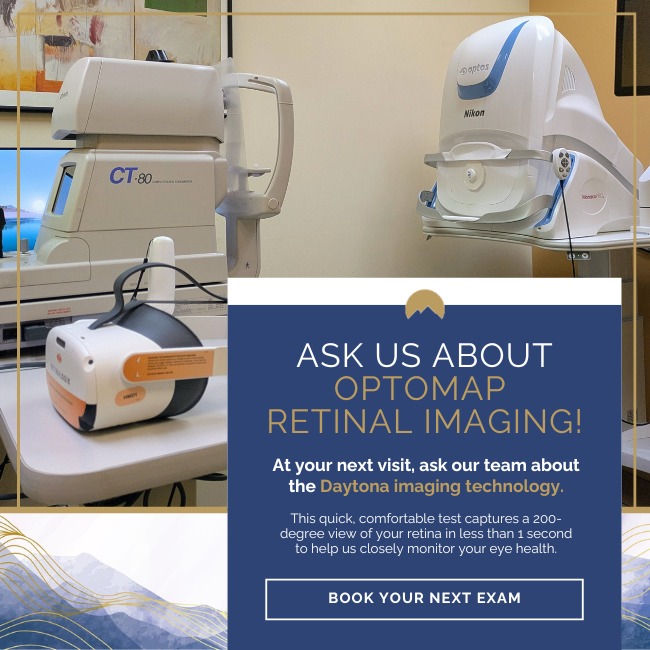
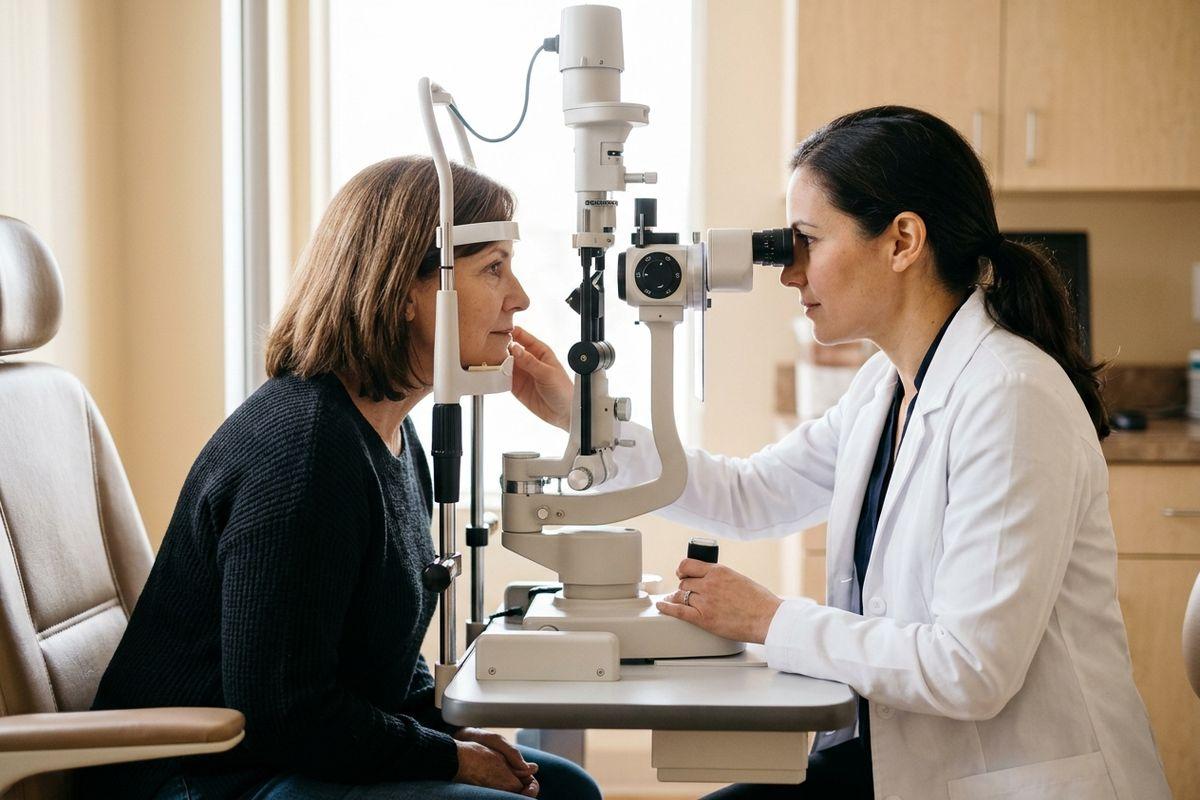
That’s why a routine visit with your eye doctor in Signal Hill makes such a difference. Dilated eye exams help your eye doctor spot changes early. Early detection allows prompt care, often before your vision changes at all.
Your eyes deserve the same attention you give your blood sugar. Book a diabetic eye exam with Focus West Optometry, and our team can check your retina, answer your questions, and build a care plan around your needs.